
Web scraping proxy
Premium Web Scraping Proxies
Rotating Residential · Static ISP · Country-level targeting · Credential authentication
- Route approved public-page collectors through separate proxy addresses
- Rotate addresses across bounded URLs, pages, and refresh schedules
- Collect localized public data with country-level targeting
- Use an assigned address when a repeat source baseline needs continuity
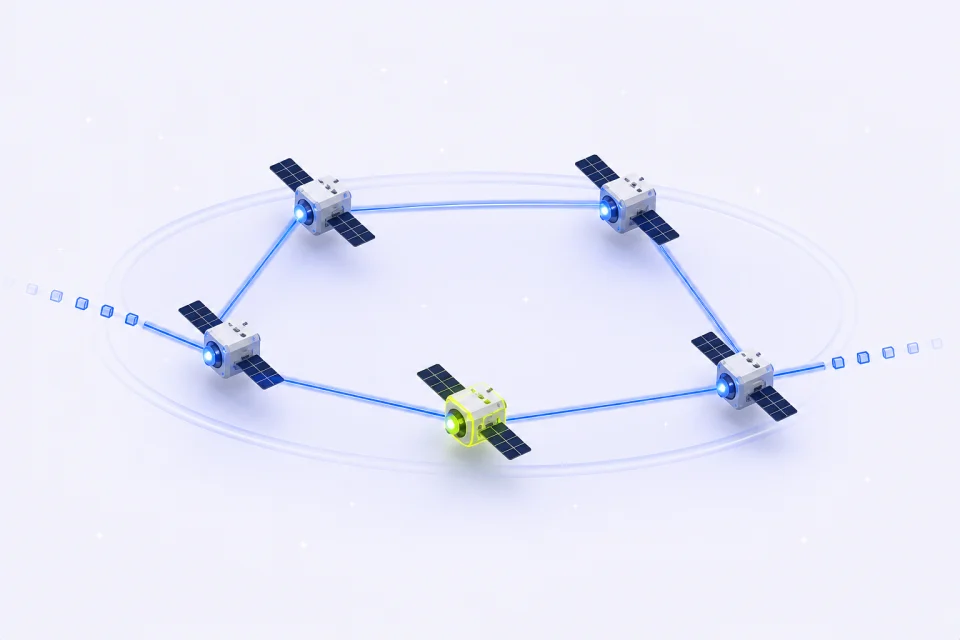
Why Web Scraping proxies
What Is a Proxy for Web Scraping?
A proxy for web scraping acts as an intermediary between an approved collector and a public website. It supplies another IP address to the request instead of using the operator's usual network address.
A web-data team can use proxy routing for public product, search, category, directory, article, or other approved pages when the required fields, URLs, countries, refresh cadence, and stop conditions are defined first.
Rotating Residential access fits bounded collection that needs independent requests across available countries. Static ISP fits an authorized source that genuinely benefits from one assigned address over repeated sessions.
For example, a price collector can request a canonical item list through rotating residential routes, validate every response and extracted field, cache unchanged pages, stop on repeated denial, and quarantine unexpected templates for review.
Web Scraping proxy use cases
How Web Scraping Proxies Work
Use proxy routing as one controlled layer in an approved public-data system with explicit scope, pacing, validation, traffic budgets, and stop conditions.
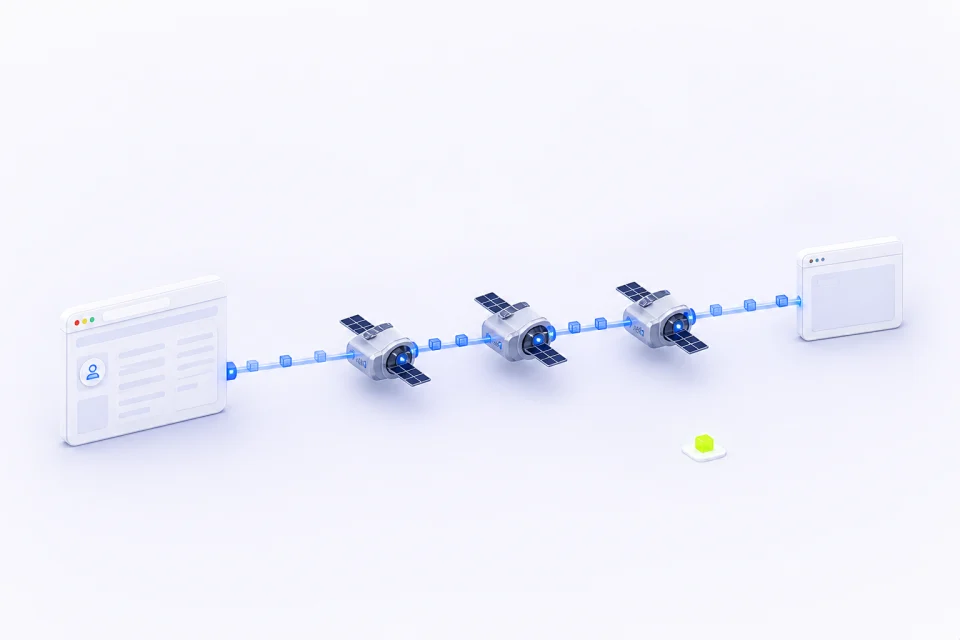
Protect Your Scraper's Identity
A proxy keeps the collector's normal network address out of the approved public-page request path and supplies dedicated proxy authentication.
IPMusk fit: keep proxy credentials, source-account data, and sensitive page content out of logs and screenshots.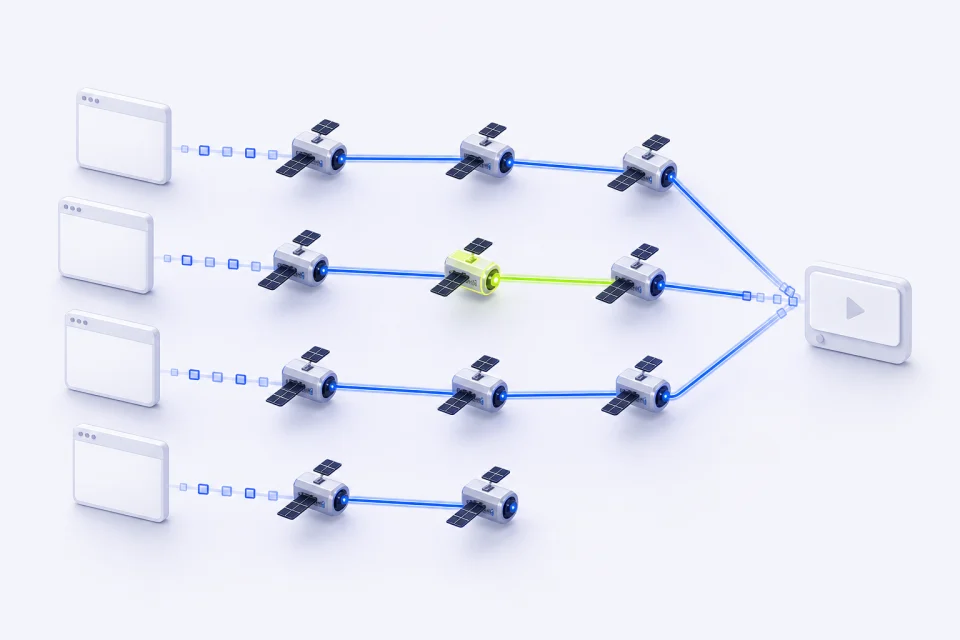
Rotate IPs Across Independent Requests
Default rotation separates independent URL and pagination requests in a bounded collection job instead of sending every request through one address.
IPMusk fit: set conservative concurrency, pacing, timeouts, retry ceilings, and an immediate stop path.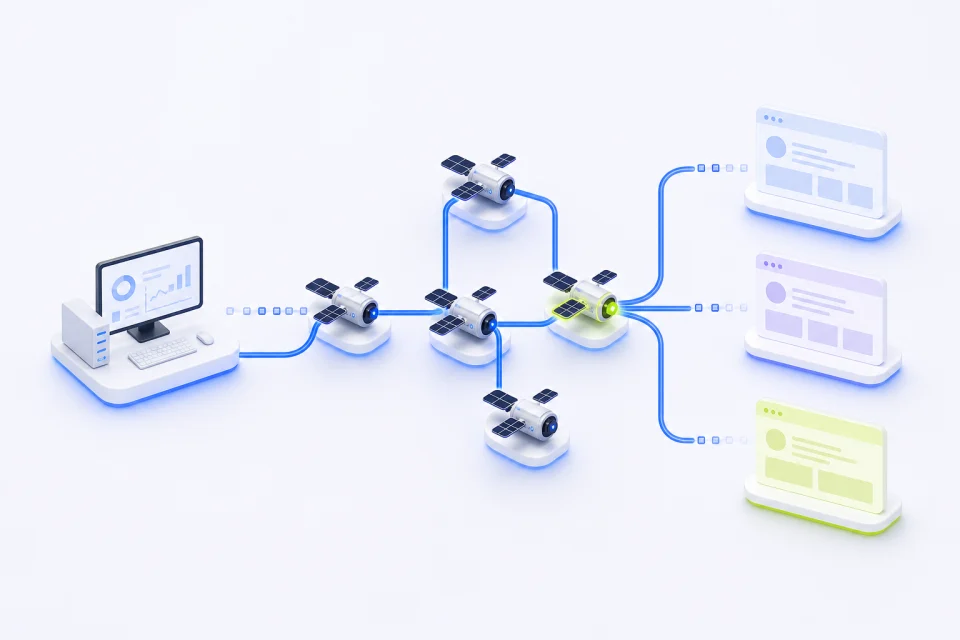
Target Specific Countries for Localized Data
Country-level routes help compare approved public prices, catalogs, search pages, notices, and regional content when other browser inputs remain controlled.
IPMusk fit: country and state selection; city, ASN, or carrier targeting is not offered.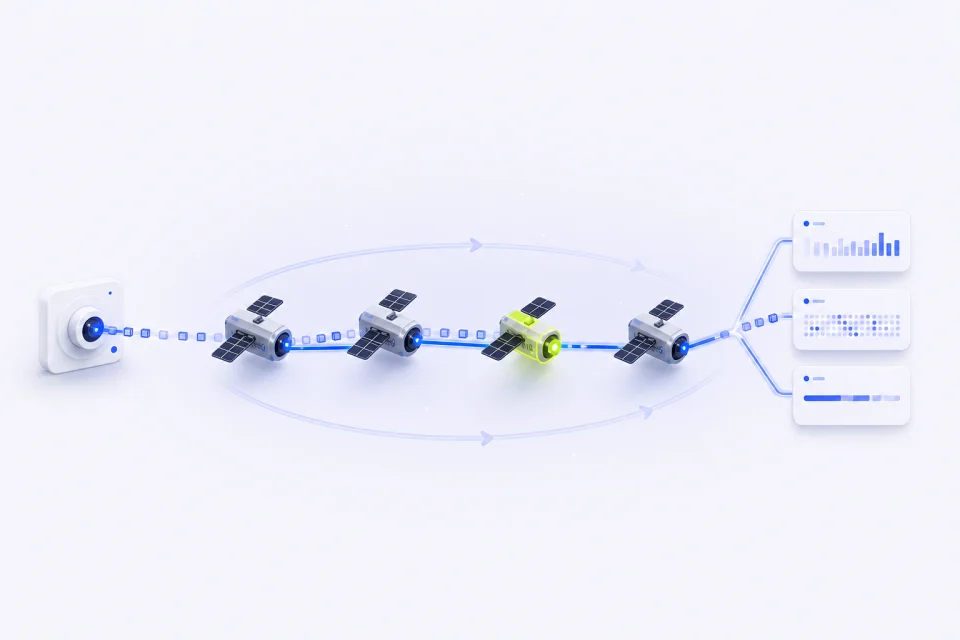
Maintain Measured Data Quality
Response status alone is not enough: validate required fields, page templates, country state, duplicates, parser version, and source timestamps before accepting a record.
IPMusk fit: measure useful records per unit of traffic, not raw request volume or response count.IPMusk Web Scraping proxy features
How IPMusk's Web Scraping Proxies Stand Out
Two clearly separated products cover rotating research requests and stable assigned-address workflows without mixing their session behavior or billing model.
| Feature | IPMusk | Best fit |
|---|---|---|
| Proxy options | Rotating Residential + Static ISP | Public data and stable assigned environments |
| Location control | Country-level selection | Regional public-page comparisons |
| Session behavior | Default rotation or assigned static IP | Independent requests or repeat profiles |
| Authentication | Dedicated proxy username and password | Browsers, proxy clients, and server collectors |
| Plan structure | Fixed GB packages or IP quantity + term | Predictable traffic and service duration |
Web Scraping proxy plans
Compare Web Scraping Proxy Plans
Use it only when an authorized source or repeat research path genuinely benefits from one assigned network address over a defined term. Use it for bounded public-page collection that needs independent country-level requests and is designed around transferred traffic, validation, and strict retry limits.
Rotating Residential Proxies
Rotating Residential Proxies change addresses between connections by default and use fixed GB packages. Use it for bounded public-page collection that needs independent country-level requests and is designed around transferred traffic, validation, and strict retry limits.
- Country-level targeting from reviewed locations
- Default random rotation between connections
- Dedicated username and password authentication
Static ISP Proxies
Static ISP Proxies provide assigned addresses for a selected country and service term. Use it only when an authorized source or repeat research path genuinely benefits from one assigned network address over a defined term.
- One assigned address for the selected term
- Stable network identity for an approved profile
- Individual connection details for every resource
Web Scraping proxy setup
How to Set Up Your Web Scraping Proxies
Choose the product and country, generate the supported connection details, then validate one approved page or client before expanding the workflow.
Customize Your Proxy Parameters
Choose Rotating Residential or Static ISP and select an available country for the Web Scraping workflow. For Static ISP, also choose quantity and term; for Residential, choose the fixed traffic package.
Generate Your Proxy Details
Open the matching workspace and generate or reveal the supported connection details. Keep proxy credentials separate from dashboard and destination-account passwords.
Plug the Proxy into Your Stack
Add the connection to the approved browser profile, proxy client, or server-side collector. Test one Web Scraping page or workflow, confirm the country and response, then scale within the written limits.
Web Scraping proxy FAQ
FAQs About Web Scraping Proxies
Choose a stable assigned address for repeat profiles and rotating residential access for bounded public-data collection or regional checks.
What is a web scraping proxy?
A web scraping proxy supplies another IP address to an approved public-page collector. It is a network route, not a complete scraper: the client still owns source scope, pacing, parsing, validation, storage, and deletion.
Which IPMusk proxy type fits web scraping?
Rotating Residential is the normal fit for bounded public-page collection across independent requests. Static ISP is only for an authorized repeat path that needs one assigned address. IPMusk does not offer mobile proxies. Datacenter proxies are a separate product for sites that accept datacenter traffic: hosting-provider IPs, not residential or ISP addresses.
Can I use free proxies for web scraping?
Free shared proxies are often unstable, heavily reused, and difficult to audit. Authenticated access with known country, traffic or term limits, workload owner, page scope, and stop rules is a clearer baseline.
How do rotating proxies help with scraping?
They change addresses between connections by default and can separate independent requests. They do not replace conservative pacing, caching, response-size controls, validation, bounded retries, or a stop condition for denial and structural changes.
Will web scraping proxies bypass CAPTCHAs?
No CAPTCHA-free result is guaranteed. A challenge is a source response that the collector should classify and handle according to its approved protocol, usually with a strict retry ceiling or stop rather than repeated address changes.
Can proxies be used for public web data collection?
They can support authorized collection of public fields within source rules and a written scope. They do not authorize private areas, authentication bypass, paywall circumvention, sensitive personal data collection, or ignoring technical restrictions.
More proxy solutions