
Price monitoring proxy
Premium Price Monitoring Proxies
Rotating Residential · Static ISP · Country-level targeting · Credential authentication
- Collect public product and service prices from approved page lists
- Compare visible prices, stock, and promotions by country
- Rotate addresses across bounded item and category samples
- Use an assigned address for a stable long-running market baseline

Why Price Monitoring proxies
What Is an E-Commerce Proxy?
An e-commerce proxy acts as an intermediary between an approved browser or collector and a public product, service, category, or offer page. It supplies another IP address to that price research connection.
A price monitor can use proxy routing to compare visible product prices, stock messages, sellers, promotions, and regional availability across supported countries.
Rotating Residential access fits measured coverage across a defined item list, while Static ISP fits a long-running monitor that benefits from one assigned regional network baseline.
For example, a retail team can monitor the same canonical products and variants across several country storefronts, storing the raw price, normalized currency, seller, availability, promotion label, destination settings, and timestamp for every observation.
Price Monitoring proxy use cases
How E-Commerce Proxies Work
Use rotating addresses for bounded public price coverage and one assigned address when a repeat market baseline needs consistent network behavior.

Use a Separate Network Address During Price Research
A proxy gives an approved public product, category, or offer-page collection path its own network address instead of the team's everyday office connection.
IPMusk fit: use dedicated proxy credentials and keep destination-account or customer data out of the collector.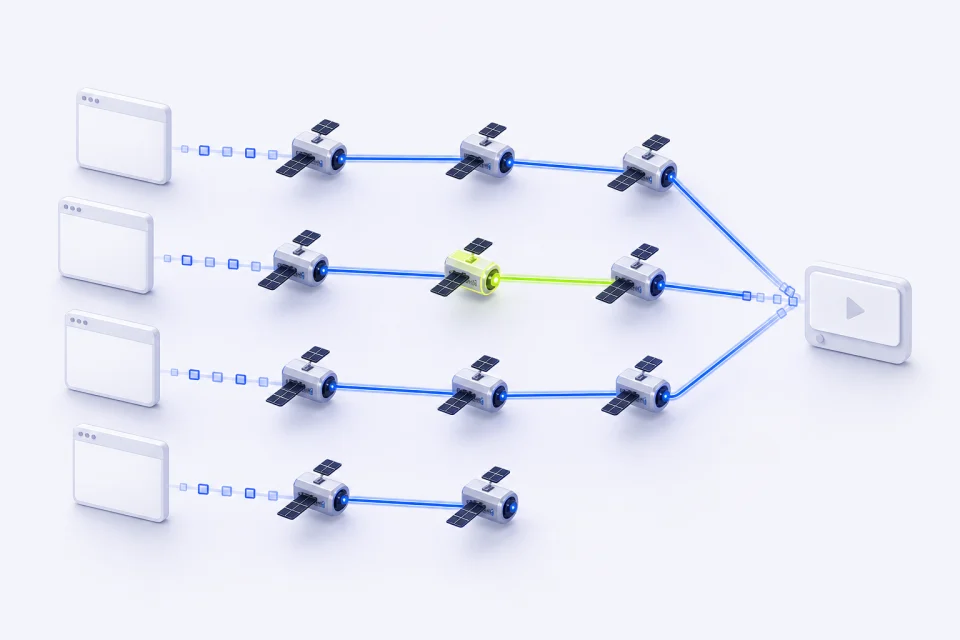
Rotate IPs Across Independent Price Checks
Default rotation separates independent item, variant, seller, and category requests inside a bounded refresh schedule.
IPMusk fit: define canonical items, page limits, refresh cadence, caching, and stop conditions before collection.
Geo-Targeted Proxies for Accurate Market Insights
Country-level routes help compare visible regional prices, stock, sellers, promotions, and availability when the same products and settings are used.
IPMusk fit: normalize currency, tax display, shipping destination, variation, seller, and timestamp; city targeting is not offered.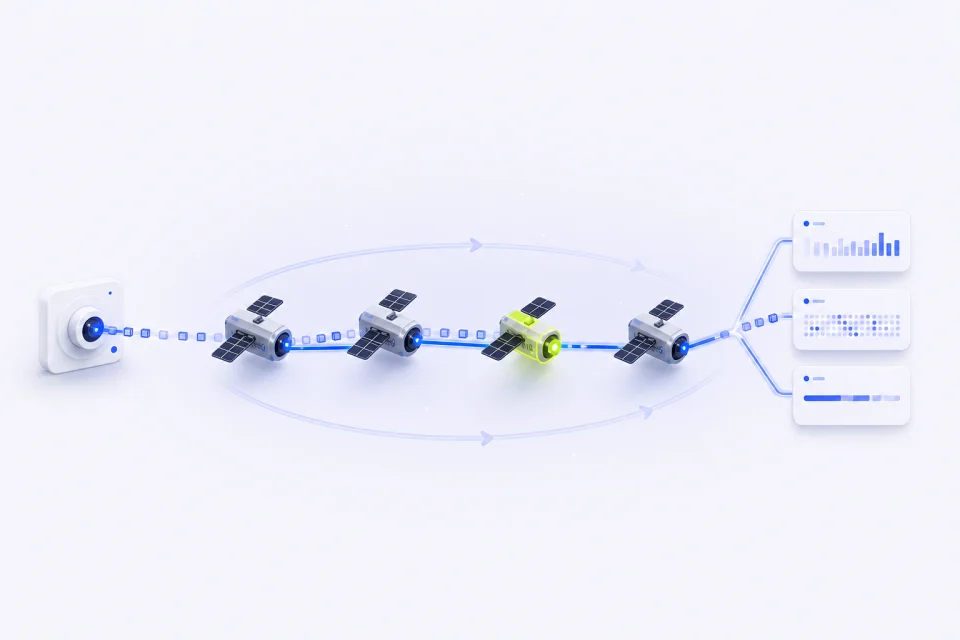
Maintain Consistent Data Quality
A canonical item list and recorded page conditions make public price observations easier to compare, audit, and separate from missing or personalized offers.
IPMusk fit: a proxy is one input and does not guarantee source access, completeness, or accuracy.IPMusk Price Monitoring proxy features
How IPMusk's Price Monitoring Proxies Stand Out
Two clearly separated products cover rotating research requests and stable assigned-address workflows without mixing their session behavior or billing model.
| Feature | IPMusk | Best fit |
|---|---|---|
| Proxy options | Rotating Residential + Static ISP | Public data and stable assigned environments |
| Location control | Country-level selection | Regional public-page comparisons |
| Session behavior | Default rotation or assigned static IP | Independent requests or repeat profiles |
| Authentication | Dedicated proxy username and password | Browsers, proxy clients, and server collectors |
| Plan structure | Fixed GB packages or IP quantity + term | Predictable traffic and service duration |
Price Monitoring proxy plans
Compare Price Monitoring Proxy Plans
Use it when a long-running public price monitor needs one assigned regional address so price changes can be separated from address changes. Use it for measured coverage across approved public products, services, categories, offers, sellers, prices, stock, and promotions in available countries.
Rotating Residential Proxies
Rotating Residential Proxies change addresses between connections by default and use fixed GB packages. Use it for measured coverage across approved public products, services, categories, offers, sellers, prices, stock, and promotions in available countries.
- Country-level targeting from reviewed locations
- Default random rotation between connections
- Dedicated username and password authentication
Static ISP Proxies
Static ISP Proxies provide assigned addresses for a selected country and service term. Use it when a long-running public price monitor needs one assigned regional address so price changes can be separated from address changes.
- One assigned address for the selected term
- Stable network identity for an approved profile
- Individual connection details for every resource
Price Monitoring proxy setup
How to Set Up Your Price Monitoring Proxies
Choose the product and country, generate the supported connection details, then validate one approved page or client before expanding the workflow.
Customize Your Proxy Parameters
Choose Rotating Residential or Static ISP and select an available country for the Price Monitoring workflow. For Static ISP, also choose quantity and term; for Residential, choose the fixed traffic package.
Generate Your Proxy Details
Open the matching workspace and generate or reveal the supported connection details. Keep proxy credentials separate from dashboard and destination-account passwords.
Plug the Proxy into Your Stack
Add the connection to the approved browser profile, proxy client, or server-side collector. Test one Price Monitoring page or workflow, confirm the country and response, then scale within the written limits.
Price Monitoring proxy FAQ
FAQs About Price Monitoring Proxies
Choose a stable assigned address for repeat profiles and rotating residential access for bounded public-data collection or regional checks.
What is an e-commerce proxy?
An e-commerce proxy supplies another IP address to an approved browser or public-price collector. It can support country-level product, service, category, seller, stock, and promotion comparisons.
Which proxy type is best for e-commerce price monitoring?
Use Rotating Residential for bounded coverage across many approved public pages and Static ISP for a stable long-running regional baseline. IPMusk does not offer mobile proxies. Datacenter proxies are a separate product for sites that accept datacenter traffic: hosting-provider IPs, not residential or ISP addresses.
How do proxies help with price monitoring?
They provide country-level network routes and can separate independent requests. Comparable price data still requires canonical items and variants, raw and normalized currency, tax, shipping, seller, availability, promotion, session state, and timestamp fields.
Are free proxies good for e-commerce research?
Free shared proxies are often unstable, heavily reused, and difficult to audit. Authenticated access with known country, traffic or term limits, owners, and refresh rules is a clearer operational baseline.
How does IP rotation work for price monitoring?
Rotating Residential changes addresses between connections by default. Each independent request can use another route, but the monitor still needs explicit pacing, retries, caching, pagination, and stop limits.
Can proxies be used for public e-commerce price collection?
They can support authorized collection of public page evidence within destination rules and a defined scope. They do not authorize checkout, coupon, account, review, seller, payment, or private-data automation.
More proxy solutions