
Ad verification proxy
Premium Ad Verification Proxies
Rotating Residential · Static ISP · Country-level targeting · Credential authentication
- Review approved public ad placements through another IP address
- Compare visible creatives, disclosures, and destinations by country
- Rotate addresses across bounded publisher and campaign checks
- Use an assigned address for repeat regional regression evidence
Why Ad Verification proxies
What Is a Proxy for Ad Verification?
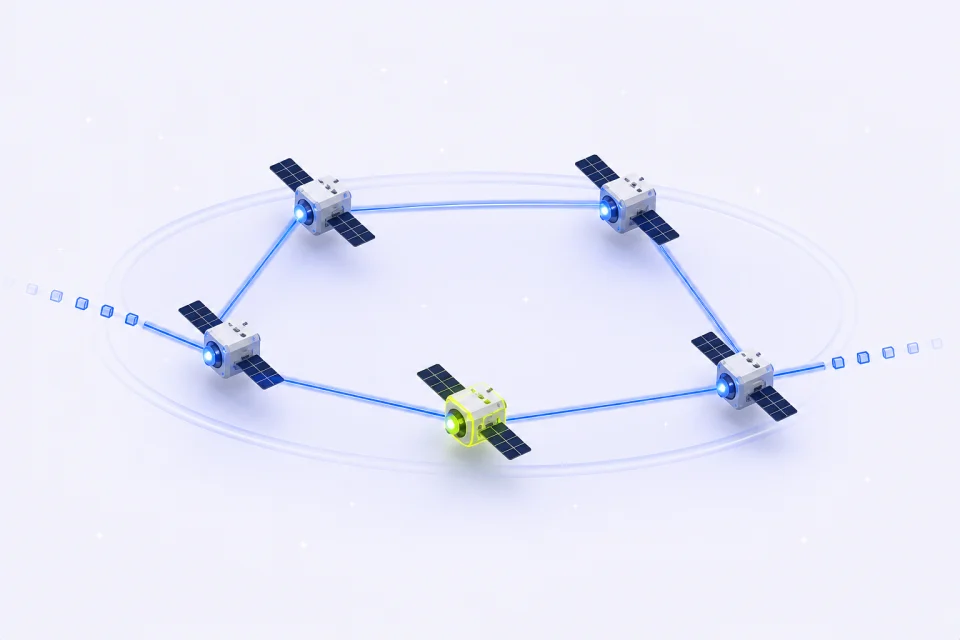
A proxy for ad verification supplies another IP address to an approved browser or collector that checks public ad placements and campaign destinations.
A brand, advertiser, or agency can use proxy routing to observe whether an approved creative appears on a public publisher page, whether the click destination resolves correctly, and whether visible regional disclosures or placement conditions match the test brief.
Rotating Residential access fits multiple independent country-level observations. Static ISP fits repeat regression checks that benefit from one assigned regional network baseline.
For example, a campaign team can define the creative, publisher URL, expected country, device profile, language, consent state, observation window, and destination, then compare a small set of controlled visits with platform reporting and its own campaign configuration.
Ad Verification proxy use cases
How Ad Verification Proxies Work
Use proxy routing to collect controlled public ad observations while keeping campaign setup, browser state, timing, and expected placement conditions explicit.
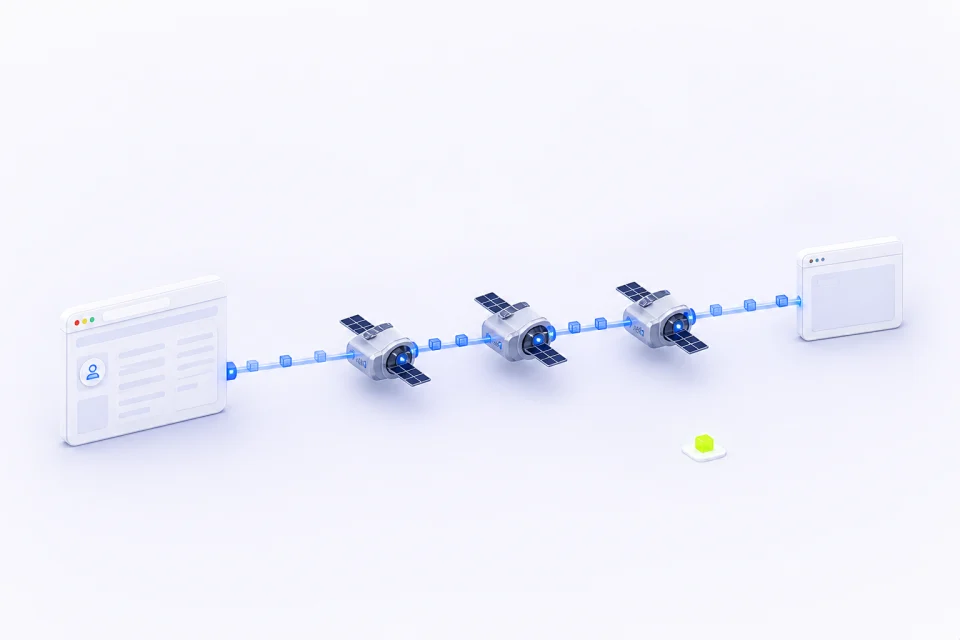
Protect Your Verification Session's Identity
A proxy keeps the verifier's usual network address out of the approved publisher-page or campaign-destination observation path.
IPMusk fit: keep proxy credentials, campaign-account data, cookies, and unrelated page content out of evidence.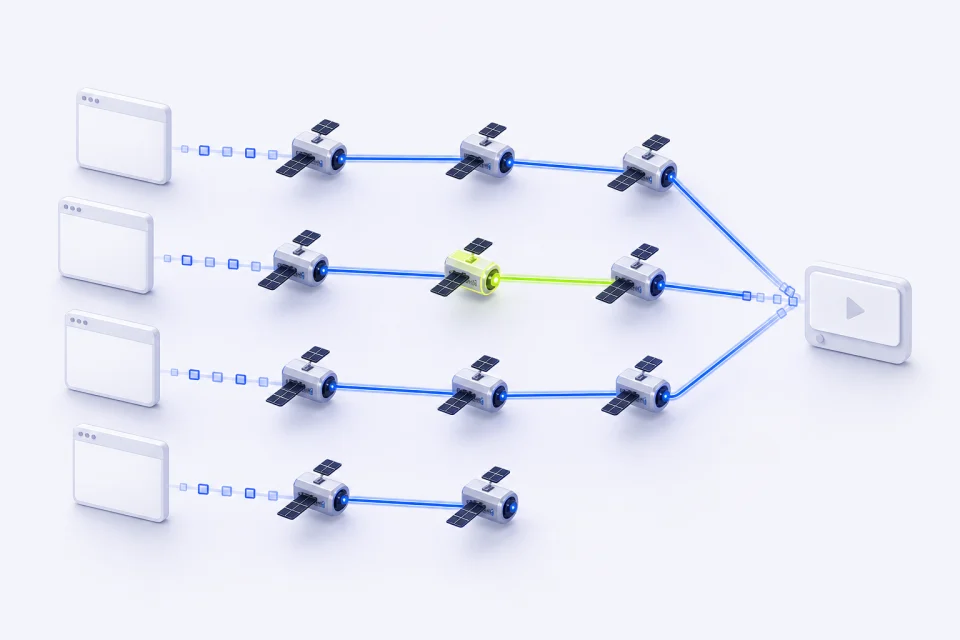
Rotate IPs Across Independent Ad Checks
Default rotation separates bounded publisher, placement, creative, and destination observations instead of tying every visit to one address.
IPMusk fit: use fixed browser inputs, limited refreshes, separated observation times, and a manual-review threshold.
Geo-Targeted Proxies for Accurate Ad Display Checks
Country-level routes help compare visible public creatives, disclosure text, landing destinations, and publisher placement states across reviewed markets.
IPMusk fit: country and state targeting; ad delivery can still vary with eligibility, budget, auctions, audience, device, consent, inventory, and experiments.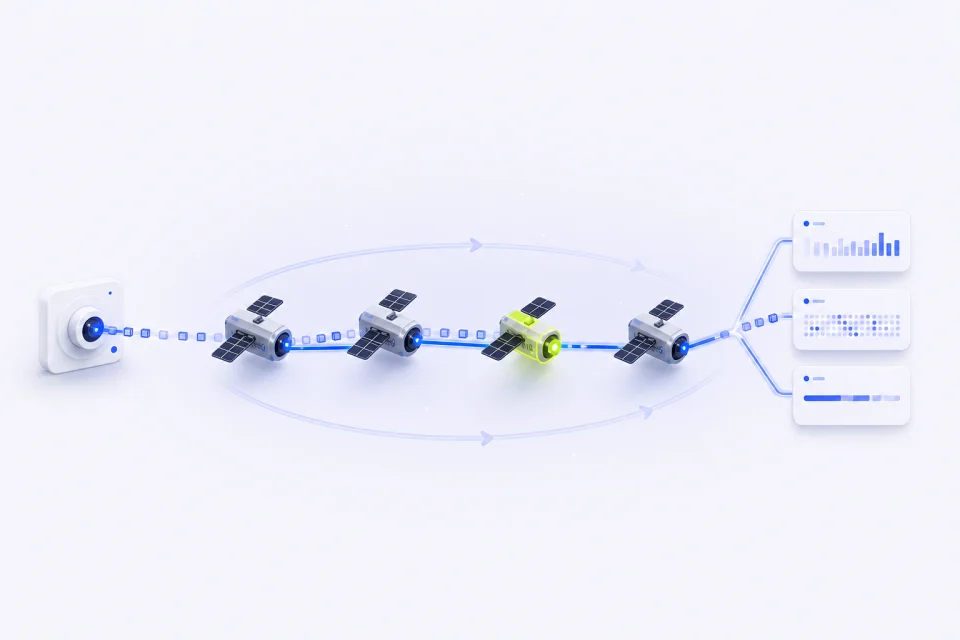
Review Brand Safety and Ad Compliance
Controlled captures can document unexpected placements, creative mismatches, missing disclosures, or destination changes for authorized manual review.
IPMusk fit: one observation is evidence under recorded conditions, not proof of universal delivery, fraud, or compliance status.IPMusk Ad Verification proxy features
How IPMusk's Ad Verification Proxies Stand Out
Two clearly separated products cover rotating research requests and stable assigned-address workflows without mixing their session behavior or billing model.
| Feature | IPMusk | Best fit |
|---|---|---|
| Proxy options | Rotating Residential + Static ISP | Public data and stable assigned environments |
| Location control | Country-level selection | Regional public-page comparisons |
| Session behavior | Default rotation or assigned static IP | Independent requests or repeat profiles |
| Authentication | Dedicated proxy username and password | Browsers, proxy clients, and server collectors |
| Plan structure | Fixed GB packages or IP quantity + term | Predictable traffic and service duration |
Ad Verification proxy plans
Compare Ad Verification Proxy Plans
Use it for repeat regional regression evidence from one assigned address when network continuity matters more than observation breadth. Use it for bounded independent observations of approved public publisher pages, creatives, disclosures, and campaign destinations across available countries.
Rotating Residential Proxies
Rotating Residential Proxies change addresses between connections by default and use fixed GB packages. Use it for bounded independent observations of approved public publisher pages, creatives, disclosures, and campaign destinations across available countries.
- Country-level targeting from reviewed locations
- Default random rotation between connections
- Dedicated username and password authentication
Static ISP Proxies
Static ISP Proxies provide assigned addresses for a selected country and service term. Use it for repeat regional regression evidence from one assigned address when network continuity matters more than observation breadth.
- One assigned address for the selected term
- Stable network identity for an approved profile
- Individual connection details for every resource
Ad Verification proxy setup
How to Set Up Your Ad Verification Proxies
Choose the product and country, generate the supported connection details, then validate one approved page or client before expanding the workflow.
Customize Your Proxy Parameters
Choose Rotating Residential or Static ISP and select an available country for the Ad Verification workflow. For Static ISP, also choose quantity and term; for Residential, choose the fixed traffic package.
Generate Your Proxy Details
Open the matching workspace and generate or reveal the supported connection details. Keep proxy credentials separate from dashboard and destination-account passwords.
Plug the Proxy into Your Stack
Add the connection to the approved browser profile, proxy client, or server-side collector. Test one Ad Verification page or workflow, confirm the country and response, then scale within the written limits.
Ad Verification proxy FAQ
FAQs About Ad Verification Proxies
Choose a stable assigned address for repeat profiles and rotating residential access for bounded public-data collection or regional checks.
What is an ad verification proxy?
An ad verification proxy supplies another IP address to an approved browser or public-page collector. It can support country-level observations of creatives, placements, disclosures, and landing destinations.
Can proxies help investigate suspected ad fraud?
They can provide controlled public observations from available countries, but a proxy result alone cannot prove fraud. Compare repeated evidence with platform reporting, campaign configuration, publisher records, and authorized specialist review.
Which IPMusk proxy type fits ad verification?
Use Rotating Residential for multiple independent public observations and Static ISP for a repeatable assigned regional baseline. IPMusk does not offer mobile proxies. Datacenter proxies are a separate product for sites that accept datacenter traffic: hosting-provider IPs, not residential or ISP addresses.
How do rotating proxies support ad verification?
They change addresses between connections by default and can separate a bounded series of checks. Keep viewport, language, cookies, consent state, device profile, timing, URL, and expected creative controlled for comparison.
Can I verify public Google Ads placements with proxies?
An authorized advertiser can use country-level routes as one input when checking approved public placements and destinations. Results still depend on campaign eligibility, auctions, budget, audience, device, consent, inventory, account state, and experiments.
How often should I run ad verification checks?
Set the cadence from campaign risk, change frequency, observation cost, and the evidence needed for a decision. Use a bounded schedule and escalate only after a mismatch repeats across a small number of controlled observations.
More proxy solutions